I've hosted parties in a one-room studio apartment in New York City. Hundreds of them, back before I had anywhere nice to put people.
Here's what I found: the size, the condition, and the location of your home don't matter. Inviting people into your space is a generous, slightly vulnerable thing to do, and that's what people actually respond to.
This is a list of 55 hosting tips, in four phases: how to invite people, how to prepare, how to host once they've arrived, and how to get your head right so you enjoy it.
In this article, you'll learn:
- How to invite people in a way that gets them to say yes
- What to do before guests arrive, and what not to stress about
- How to host so guests feel welcome from the moment they walk in
- How to handle a low-key housewarming, if that's what's on your calendar
- How to shift your mindset so you actually enjoy the whole thing
Hosting a Low-Key Housewarming Party
A housewarming already comes with the lowest bar of any party you'll throw. Nobody expects a big production. People are coming to see your new place, not to judge your cooking or your furniture budget. That's doubly true right after a move into a small apartment, when the boxes are still stacked in the corner.
Keep it to the minimum viable version: snacks, basic drinks, a couple hours on a weekend afternoon or a weeknight after work. Don't cook a big meal. Let people wander, ask about the new place, and help you figure out where the couch should go. That's basically the whole event.
If you want a fuller framework for the housewarming specifically, timing, what to serve, how to handle the tour, I put together a full guide here: how to host a housewarming party. The 55 tips below apply to any gathering at home, housewarming included.
How to Invite People
The biggest mistake most people make with hosting isn't the food or the seating. It's the invitation. Get the invite wrong and none of the rest matters. Here's how to get it right from the start.
Getting the Ask Right
- Strike while the iron is hot. If you meet someone interesting at work or at an event, invite them within two weeks. Wait longer and the moment fades. "We should hang out" turns into a polite thing people say without meaning it.
- Be specific. "We should hang out sometime" is not an invitation. "Do you want to come over for dinner on Saturday at 7?" is. Vague invitations put the work back on the other person, and most people won't do that work. Check out my guide to RSVPs for a full framework for getting reliable responses.
- State your intent. It's okay to be direct: "I think you're interesting and I'd like to hang out more." Most people are so flattered by this kind of honesty that they almost always say yes. It feels vulnerable, but it works.
- Use an activity hook. "Come watch the game" or "I'm hosting a board game night" gives people a concrete reason to show up. "Just hanging out" can feel vague or low-priority, and a hook makes it easier for guests to mention the invite to friends.
Making It Easy to Say Yes
- Start low-stakes. A full dinner can feel like a big commitment to someone who doesn't know you well. Coffee or drinks is an easier yes, and it often turns into something longer anyway. If you want a format that matches that low-key energy, the cup party model is worth looking at.
- Try the open house model. Set a recurring time, like "first Saturday of the month, 2 to 5 PM," where people can come and go. It removes the pressure of showing up exactly on time, and over time it becomes something regulars plan around without you having to re-pitch it every month.
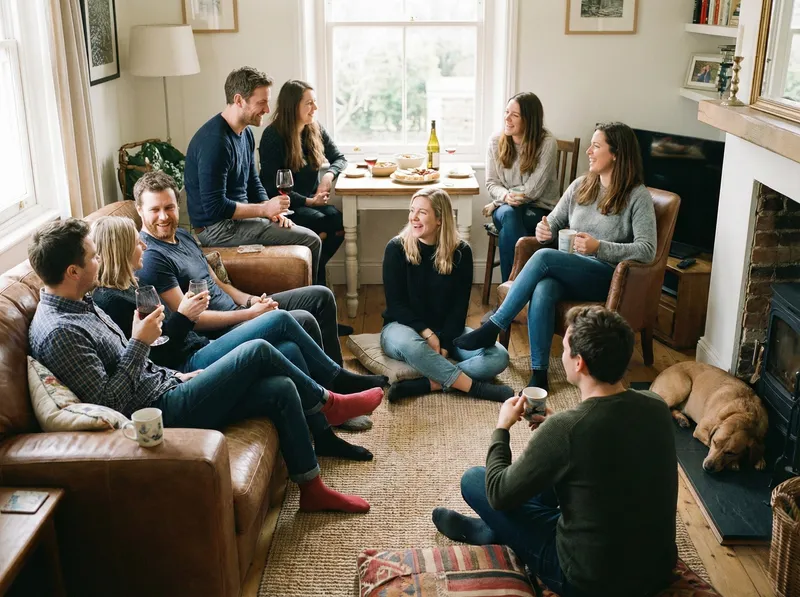
- Mix friend groups. Don't silo your work friends from your college friends. Mixing them takes the pressure off you to entertain everyone individually, and it often leads to better conversations. The best gatherings are the ones where people walk in as strangers and leave as friends.
- Create a group chat for larger gatherings. A shared chat helps with coordination and builds a sense of community before the event even starts. It also gives people a low-effort way to say they're coming. If you want to manage RSVPs digitally, there are good evite alternatives that make this even easier.
- Set both a start and end time. People commit more easily when they know they won't get trapped. "Come over from 7 to 9" beats an open-ended invite. I call that first stretch, before people settle in, the awkward zone, and a real end time is the fastest way to compress it. More on timing in my guide to party length.
- Make RSVP easy. Don't overthink it. "Text me if you can make it" is enough. Don't ask them to bring anything either. If someone offers, tell them nothing is required, maybe a drink they'd want themselves. Simple always wins.
Pro tip: If you're inviting more than eight people, use a digital invite tool so you can track who's coming in one place. It saves a dozen "are you still coming?" texts. See my comparison of evite alternatives to find the right tool for your setup.
Following Up
- Send a casual reminder the day before. A simple "Looking forward to seeing you tomorrow!" doubles as a confirmation and a prompt. Keep it light. It cuts down on no-shows without making anyone feel nagged.
- Offer an alternative if they can't make it. If someone is busy, suggest another time immediately. It shows you value their company, not just filling a spot. "Totally understand, what about the following Friday?" takes five seconds and means a lot.
- Build a core group of reliable anchors. For larger gatherings, make sure 2 or 3 close friends have committed to coming. It ensures the room won't feel empty, and it gives you backup if you need to step away to the kitchen.
- Accept rejection gracefully. A good chunk of people will say no or be too busy. It's not personal. Just move on. The worst thing you can do is let a few no's stop you from hosting altogether.
Preparing Your Home
You don't need a perfect home. You need a ready home. Here's how to get there without losing your mind.
Cleaning and Setting the Mood
- Use the invite as a forcing function. Inviting someone over is the fastest way to get your place cleaned up. Set the date, then let the deadline do the work.
- Focus your cleaning on two places: the bathroom and the seating area. That's where guests spend the most time. The rest can wait. If you've only got 30 minutes to clean, split it 15 and 15 between those two spots.
- Stock the bathroom with the basics. Extra toilet paper, hand soap, and a clean hand towel. These are the details guests notice. A small candle or a tidy counter makes the room feel intentional rather than forgotten.
- Set the mood. Dim the lights slightly, put on a background playlist, and consider a candle. Guests form their first impression of the evening in the first 30 seconds, before they've even taken their coat off.
- Make sure there's enough seating. You don't need a big space. You need enough chairs. Pull in chairs from other rooms, use ottomans, or grab a few folding chairs. No one cares where they're sitting as long as they have somewhere to land.
Food and Drink That Won't Stress You Out
- Ask about dietary restrictions when people RSVP. Don't wait until they're standing in your kitchen. A quick "Any food allergies or things you don't eat?" in the invite saves a lot of awkwardness. I build this into my standard RSVP process.
- Always have non-alcoholic options. Water, sparkling water, juice, or a mocktail keeps non-drinkers included. I don't drink myself, and I still keep some basic wine or hard seltzer around for guests who want it. What surprises people every time is how little of it actually gets used, because people drink the most when they're bored, not when they're busy mixing and mingling. My rule: I'd rather someone leave hungry than leave bored, so keep the food simple too: nuts, chips, hummus, maybe some guacamole and baby carrots.
- Do as much prep as possible in advance. Anything that can be done the day before should be. The goal is to be relaxed and present when guests arrive, not frantic in the kitchen.
- Don't try new recipes. Your guests are not your test audience. Stick to things you've made before and know will work. Save the experimental dish for a Tuesday night by yourself.
Small Things That Make a Big Difference
- Don't run out of ice. Buy more than you think you need. A lot more. Even a small gathering can go through a 10-pound bag. Ice is cheap, and running out of it is not a good look.
- Plan your cooking backward from serving time. Start with when you want to eat and work backward. Write it down. If dinner is at 7:30, figure out what goes in the oven at 6:45, what gets prepped at 5, and so on.
- Set the table the day before. One less thing to do on the day of. Walking past a set table the morning of a party is genuinely motivating. It makes the whole thing feel more real.
- Keep it casual. Decorative paper plates and napkins are completely acceptable. Guests care about feeling welcome, not about your dishware. Some of the best dinner parties happen on disposable plates.
- Put finished dishes in a cooler to keep them warm. It frees up oven space and keeps everything at the right temperature without constant monitoring. Line the cooler with a towel for extra insulation.
- Have a little extra food for unexpected guests. Someone will bring a plus-one without mentioning it. Make slightly more than you think you need. Leftovers are never a problem.
- Anticipate needs before they're asked. A place to put their bag, somewhere to charge their phone, a glass of water. Hosting well is largely about removing friction before guests feel it.
Pro tip: Walk through your home as if you're a guest arriving for the first time. What do you notice? What's missing? This five-minute exercise catches things your host-brain has stopped seeing. Do it about an hour before anyone shows up.
Grab the free 2-page party checklist.
During the Party
The prep is done. Now your only job is to make people feel at home. I think of this as being an active host instead of a passive one. A passive host says, "I'm not doing name tags or introductions, I just want it to be chill." An active host tracks who's talking to whom and keeps moving people around the room so no one gets stuck. A friend once told me that whenever I'm around, he can relax, because I'm the one carrying the stress of the room so he doesn't have to. That's the job. Stress a little so your guests can relax.
Making Guests Feel Welcome Right Away
- Greet every guest at the door. A warm welcome sets the tone for everything that follows. Stop what you're doing and go to the door. A guest who walks in and can't find you right away immediately feels like an afterthought.
- Offer a drink within the first minute. It gives guests something to hold and a reason to settle in. It's the simplest hosting move there is. People feel awkward standing around empty-handed, and a drink solves that instantly.
- Show them where the restroom is right away. Don't make them ask. Point it out before you get pulled into conversation. I once got lost looking for the bathroom at a New Year's Eve party at a fancy house because every door looked the same and none were labeled. I ended up opening a couple of guest rooms before I found it. Your place probably isn't that confusing, but a quick heads-up takes five seconds and removes a low-grade anxiety guests carry without saying anything.
- Introduce guests to each other with a talking point. Don't just say names. Give them something to connect on. "This is Sarah. She just got back from Japan. Ask her about it." Keep a mental note of one interesting thing about each guest before they arrive. For more ideas, see my guide to icebreakers.
Keeping the Energy Going
- Have a few conversation starters ready. If the energy dips, have something in your back pocket. I like questions that aren't too personal but still have real answers, like "what's the best thing that happened to you this week?" Icebreaker games are another great option if you want something more structured.
- Be a real listener. Don't just wait for your turn to talk. Ask follow-up questions and give people your full attention for a few minutes at a time. Guests remember how it felt to be heard, not what was on the table.
- Involve guests who arrive while you're still cooking. Hand them a drink and ask them to stir something or chop something. It breaks the ice and makes them feel like part of the process.
- Delegate to guests who offer to help. Don't refuse out of politeness. Give them a specific job. "Can you help with the coat check for the first few people?" or "Can you grab drinks for whoever comes in next?" beats "oh, don't worry about it." If someone looks uncomfortable when you ask, let it go right away. "No problem at all, just make yourself at home" works fine too.
- Set up self-serve stations. Show people where the water is, where the glasses are, where the snacks are. Guests who can help themselves feel comfortable, and it keeps you from playing server all night.
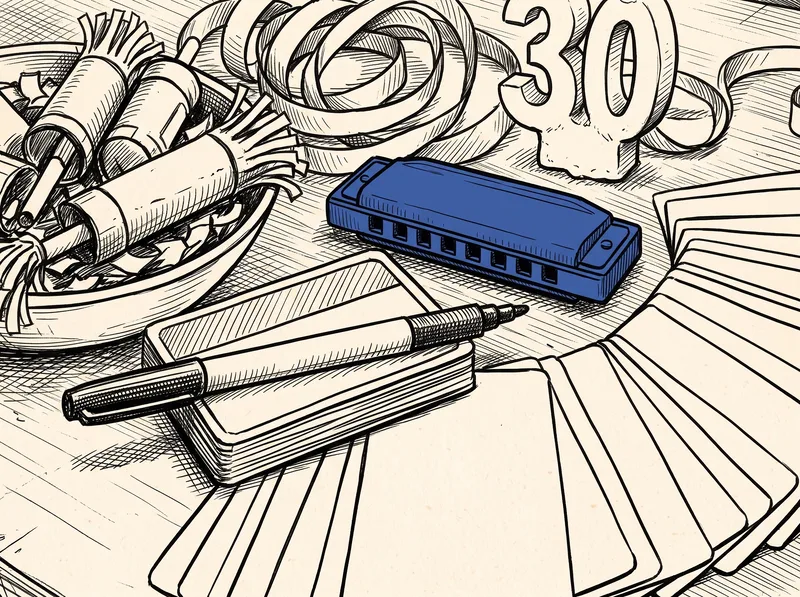
- Have entertainment options on hand. A playlist, a deck of cards, a board game. You don't have to use them, but having them ready means you're never stuck when the energy dips. If kids are coming, set up a small play corner. A basket of crayons and paper goes a long way. And if you need a room's attention without shouting, get a harmonica. One low note held for a few seconds works better than a whistle.
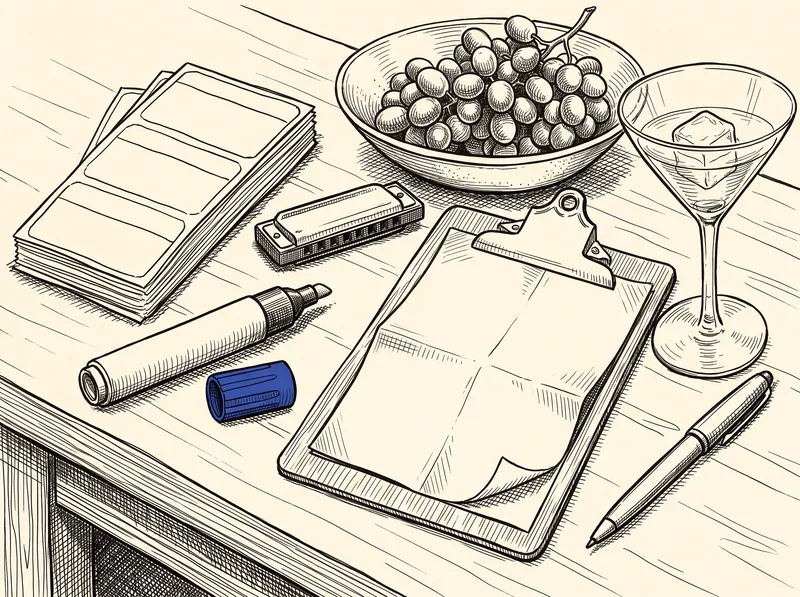
Pro tip: Use name tags at gatherings where people don't all know each other. It sounds formal, but it actually makes the room more relaxed. People stop worrying about forgetting names and focus on conversation instead. Write both the name and one fun fact on the tag. See my full guide to name tags at parties.
Wrapping Up Well
- Accept help graciously. When someone offers to help clean up, say yes. Good guests already know how to do this: they'll offer to serve drinks, take a few candid photos, or quietly deal with the empty cups piling up. If someone joins a conversation already in progress, the easiest thing they can say is "please continue." Let them. Turning down help just makes people feel awkward.
- Enjoy yourself. Your energy is contagious. If you're tense, guests feel it. If you're relaxed, they will be too. Something will probably go wrong: burned food, a dead speaker, a spilled drink. None of it matters if you laugh it off and keep going.
- Keep notes after. Jot down who came, what you served, and any food notes. It makes planning the next one easier, and a few years of these notes turns into a nice little diary.
- Plan your ending. Know how you'll signal that the party is winding down. Standing up, thanking people, or simply saying "this has been so great" gives guests a graceful cue to wrap up.
Mindset and Overcoming Anxiety
The logistics can be figured out. The harder part is often the mental game. These are the ideas I find most useful to come back to before I host.
Remember They Want to Be There
- They like you. They showed up because they wanted to. They're rooting for the evening to be good. You don't have to earn that. It's already there.
- Think about how you feel as a guest. When you go to a friend's place, do you judge the dust on the shelf? No. You're just happy to be there. Your guests feel the same way.
- Channel pre-party nerves into action. Use that anxious energy to tidy up, arrange the food, or fidget with the playlist. It burns off the nerves and gets things done. Then someone walks through the door and it all evaporates.
- A lived-in home is more welcoming than a perfect one. A museum-perfect apartment can feel cold and intimidating. The throw blanket on the couch and the stack of books on the coffee table tell people they can relax.
Just Start
- Don't wait for reciprocation. Some people will never host you back. That's fine. Host because you enjoy it, not to collect social debt. The friendships built through hosting are some of the best you can have.
- Start with just one guest. If hosting a group feels overwhelming, start smaller. One friend over for takeout counts as hosting. It builds the muscle, and it gets easier from there.
- Accept the planner role. You might be the one who always initiates. Make peace with that. Someone in every friend group plays this role. If it's you, that's a gift, not a burden.
- Don't wait for a perfect home. There will always be a reason to wait: the renovation, the furniture, the guest room. Don't. Invite people now. If you want a simple way to take the guesswork out of prep, run through the party checklist before your next gathering.
Warmth Over Perfection
- Focus on warmth, not perfection. The best hosting isn't flawless execution. It's making someone feel genuinely welcome, and that costs nothing. Some potluck dinners in cramped apartments feel like the best nights of your life.
- Keep it simple. A great evening can be pizza, a good playlist, and the right people. You don't need to impress anyone. The memory people take home isn't what you served. It's how they felt.
- Just ask. The biggest barrier to hosting is usually just asking. People are lonelier than they let on. Most are waiting for an invitation they never get. Be the person who gives it to them.
Frequently Asked Questions
What's the easiest way to start hosting people at home?
Start smaller than feels natural. One friend over for coffee or takeout counts as hosting. Get specific with your invite, set a start and end time, and don't worry about your home being perfect.
How much food and alcohol do I actually need?
Less than you think. Keep the food simple, chips, hummus, nuts, maybe a dip, and always have a non-alcoholic option. People eat and drink the least at parties built around mixing and talking, so buy modestly and keep a little extra food in reserve.
How do I make guests feel comfortable right away?
Greet them at the door, hand them a drink within the first minute, and point out the bathroom before they have to ask. Introduce them to someone else with a specific reason to talk, not just a name.
What's a low-key housewarming party, and how do I host one?
It's a party with the lowest bar of any gathering you'll throw. Snacks, basic drinks, a couple hours, and people wandering through your new place. Keep it casual and let the tour double as the entertainment. For a full framework, see my guide to hosting a housewarming party.
Conclusion
The common thread across all 55 of these tips is the same idea: hosting is about people, not production. The food, the lighting, and the seating matter, but they're in service of something bigger. The goal is a room where people feel comfortable, included, and glad they came.
You don't need a big home, a big budget, or a lot of experience. You need to invite people, be ready when they arrive, and genuinely enjoy their company. That goes for a full dinner party and a low-key housewarming just the same.
Key takeaways:
- Be specific and timely with your invitations
- Clean what matters, let go of the rest
- Have drinks and seating ready. Everything else is secondary.
- Introduce people with something to connect on
- Your mindset sets the tone for the whole evening
- The best thing you can do is enjoy yourself
Ready to take these tips further? Read The 2-Hour Cocktail Party for a complete framework on running a great gathering from start to finish. Or grab the free party checklist to make sure you're fully prepared before your next gathering.